Old Spitalfields market Shoreditch waste removal rules for traders
Posted on 13/10/2026
Old Spitalfields Market Shoreditch Waste Removal Rules for Traders
If you trade at Old Spitalfields Market, waste is not a side issue. It is part of the day's rhythm, right up there with setting up on time, keeping stock tidy, and making sure customers can actually move past your stall without stepping round a stray box. The Old Spitalfields market Shoreditch waste removal rules for traders matter because one missed bin, one overfilled bag, or one badly timed disposal can create a mess quickly. And in a busy market environment, mess tends to snowball.
This guide breaks down what traders usually need to think about, how market waste management works in practice, and how to stay on the right side of site expectations without turning your day into admin soup. You will also find a practical checklist, common mistakes to avoid, and sensible steps that make waste removal smoother in real life. Let's face it, nobody opens a stall hoping to spend the morning arguing with cardboard.
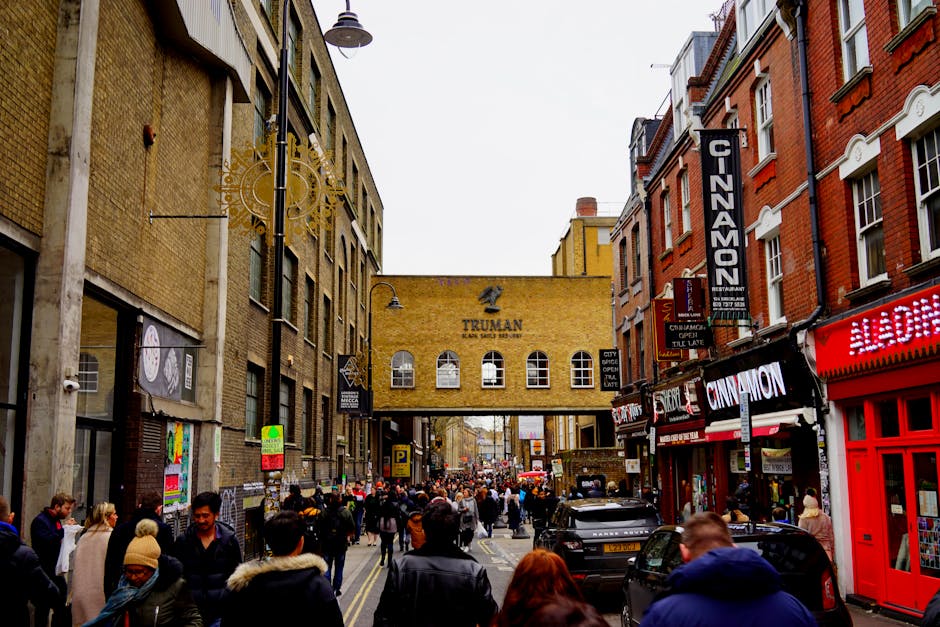
Why Old Spitalfields market Shoreditch waste removal rules for traders Matters
Waste rules at a market are about more than neatness. They support safety, keep trading areas usable, protect neighbouring stalls, and help the market run without unnecessary disruption. In a place like Old Spitalfields Market, where footfall can be heavy and pathways need to stay clear, even a small pile of packaging can become a problem fast.
For traders, the main issue is simple: waste that is not handled properly can affect the whole pitch, not just your own stall. A loose box might block a service route. A wet bag can leak onto the floor. A bundle of broken packaging can make the site look untidy at the exact moment customers are deciding whether to stop or keep walking. To be fair, first impressions in a market are sometimes made in ten seconds.
There is also the reputational side. Shoppers in Shoreditch tend to notice presentation. A clean, well-managed stall suggests care, discipline, and professionalism. That matters if you sell food, fashion, gifts, or anything where presentation shapes trust. Waste handling is not glamorous, but it quietly says a lot about how you run your business.
And then there is compliance. Market operators, landlords, and local waste arrangements often expect traders to separate rubbish correctly, avoid contamination, and dispose of commercial waste through suitable channels. The exact rules can vary by site and tenancy terms, so traders should always check the current market guidance rather than assume the same process applies everywhere.
Expert summary: Good waste removal at Old Spitalfields is really about three things: keeping the pitch safe, keeping the market presentable, and keeping your own trading day efficient. Get those three right and everything feels easier.
How Old Spitalfields market Shoreditch waste removal rules for traders Works
In practical terms, waste management for traders usually follows a straightforward pattern. You generate waste during trading, sort it as you go, store it in the right containers, and move it to the correct collection point or handover system when required. The challenge is not the concept. It is doing it consistently in a busy, slightly chaotic environment with customers, deliveries, and time pressure all happening at once.
At a market like Old Spitalfields, the process often involves a few moving parts:
- Source separation - keeping cardboard, food waste, general rubbish, and recyclable materials apart where required.
- On-stall containment - using bins, sacks, crates, or boxes that do not spill or blow away.
- Timed disposal - removing waste at the times allowed by the market or site team.
- Collection discipline - placing waste only where instructed and not in public walkways or shared service areas.
- Traceable handling - using approved waste carriers or site collection arrangements where needed.
Some traders bring in stock packaging early in the day and need to break it down immediately. Others produce mostly lightweight retail waste. Food traders face another layer altogether, because leftover food, grease, and mixed containers need more careful handling. The rules may be similar in principle, but the actual routine can be very different from one trader to another.
One small but important point: waste removal is easier when it is built into your set-up, not treated as an end-of-day chore. If your stall layout leaves no room for a hidden bin or a folding sack stand, you will probably end up improvising. And improvising with rubbish is rarely a good look.
Key Benefits and Practical Advantages
When traders handle waste well, the benefits show up all day long. Not just at closing time. Clean waste routines improve how the stall runs, how it looks, and how much stress you carry around between opening and pack-down.
Here are the most practical advantages:
- Better customer experience - tidy stalls feel safer and more inviting.
- Less trip and slip risk - fewer boxes, bags, and loose wrappers underfoot.
- Faster pack-down - rubbish sorted as you go is quicker to clear at the end.
- Lower chance of complaints - nearby traders and site staff are less likely to flag issues.
- Cleaner stock presentation - packaging does not creep into your display space.
- Smoother collection - waste that is separated properly is easier to remove.
There is also a commercial benefit people sometimes overlook. Clean waste routines protect your time. If you are not constantly re-sorting mixed rubbish or hunting for a place to dump flattened boxes, you can stay focused on sales. That sounds obvious, but in a market setting small efficiencies matter a lot.
For traders dealing with regular deliveries, the benefit is even bigger. A neat back-of-stall system makes it easier to move stock in and out without clogging walkways. If you have ever tried to stack new boxes while yesterday's packaging is still in the way, you know the feeling. It is one of those tiny things that can throw off the whole morning.
Who This Is For and When It Makes Sense
This guidance is for anyone trading at or around Old Spitalfields Market who needs to manage waste responsibly. That includes permanent stallholders, pop-up traders, food vendors, market retailers, and businesses using shared trading space in Shoreditch.
It is especially useful if you:
- handle cardboard, packaging, bubble wrap, or pallet wrap on site
- serve food or drinks and generate food waste or used containers
- operate a busy stall with limited storage space
- share waste areas with other traders
- have been told to improve presentation or disposal habits
- want to avoid penalties, complaints, or last-minute clear-up stress
The guidance also makes sense if you are new to the market and do not yet know the flow of the day. New traders often arrive thinking waste is simple: just bin it and move on. In practice, the timing, sorting, and access rules can matter just as much as the waste itself. That is where a little preparation pays off.
If you already have a routine but it feels messy or inefficient, the same advice helps. Sometimes the problem is not volume. It is layout. Sometimes it is not layout. It is simply habits. We all get a bit blind to our own setup after a while.
Step-by-Step Guidance
Here is a practical way to approach waste removal at Old Spitalfields without overcomplicating it.
- Check the current site instructions before trading day begins.
Rules can change, and market teams may update collection times, segregation requirements, or loading access. Do not rely on what someone said six months ago over a coffee. - Plan your waste setup before stock arrives.
Decide where bins, sacks, and packaging storage will sit. If there is no clear spot, the waste will end up wherever it lands, which is exactly how clutter starts. - Separate waste streams as early as possible.
Keep cardboard apart from general waste. If food waste is involved, manage it separately too. Clean sorting is easier than trying to rescue a mixed pile later. - Flatten and secure packaging.
Cardboard should be broken down where possible. Loose cartons take up too much room and can block walkways in a hurry. - Use the right bags or containers.
Do not overfill them. A bag that splits on the way to collection is a very avoidable problem, and it always seems to happen at the worst moment. - Move waste at the right time.
Follow site timing so collection points stay accessible. Early or late disposal can both cause friction, especially in a shared market environment. - Keep the trading area clean throughout the day.
Do a quick sweep whenever you refresh stock or serve a run of customers. Five minutes here and there saves a lot of fuss later. - Clear the pitch fully at the end.
Check under tables, behind displays, and near storage crates. Small scraps hide in plain sight.
If your stall produces more than a modest amount of waste, it may help to assign one person the job of waste control during service. Not glamorous, granted. But it works. A quick check every hour keeps things under control and avoids that late-afternoon pile-up that somehow always feels bigger than it should.
Expert Tips for Better Results
Good waste management is not really about discipline in the abstract. It is about making the right action easy and the wrong action awkward. That is the trick.
Here are a few practical tips that tend to work well in market settings:
- Build a "break down as you go" habit. Cardboard and bulky packaging should not sit around until closing.
- Use colour-coded containers where sensible. Even simple labels can reduce confusion among staff.
- Keep one small emergency sack free. You will be glad of it on unexpectedly busy days.
- Store waste away from food and customer touchpoints. Even if the bin is covered, location still matters.
- Train every person who helps on the stall. Waste routines only work if everyone follows them the same way.
- Review your disposal volume after a few trading days. Sometimes you need a bigger container, sometimes just a different habit.
One subtle but useful tip is to think like a customer walking past at 2 p.m. What do they see first? If the answer is a bag of mixed packaging leaning into the path, there is room to improve. If they see a clean display with waste tucked out of sight, the whole stall reads better.
And yes, sometimes the best improvement is as simple as moving a bin two feet to the left. Tiny change. Big difference. A bit annoying that way, but true.

Common Mistakes to Avoid
Most waste issues at market stalls are not dramatic. They are small, repeated mistakes that build up. That is actually good news, because small mistakes are easier to fix than big ones.
- Mixing everything together. Mixed waste is harder to remove, harder to recycle, and messier to handle.
- Leaving waste until the end of the day. This creates bulk, clutter, and stress all at once.
- Blocking shared routes. A box in the wrong place can cause problems for neighbouring traders.
- Using weak sacks or overfilled bags. Split bags are one of the most irritating issues on a busy pitch.
- Assuming the same rules apply everywhere. Market waste procedures can differ from general high street retail or event trading.
- Forgetting wet waste or food residue. Smells and leaks become a bigger issue very quickly in warm weather.
- Not checking who is responsible for collection. Some traders assume someone else will sort it out. Usually, that assumption ages badly.
A common blind spot is packaging from deliveries. Traders sometimes focus only on what customers throw away, but boxes, tape, wrapping, and pallet materials can create more waste than sales packaging. If your mornings start with a delivery, your waste plan should start there too.
Tools, Resources and Recommendations
You do not need a complicated system to manage waste properly at a market stall. In most cases, a few reliable tools will do the job if they are chosen well and used consistently.
Useful items often include:
- Heavy-duty sacks for general waste and non-recyclable material
- Cardboard cutters or safe breaking tools to flatten packaging efficiently
- Stackable crates for separating clean stock from waste
- Compact bins with lids for food-related or mixed light waste
- Labels or tape markers to identify different waste streams
- Gloves and basic cleaning kit for quick tidy-ups during trading
If you are running a food-led or high-volume stall, you may also want to think about how waste collection fits into your overall trading operation. That can include vehicle access, storage at base, reusable packaging choices, and whether you need a more frequent collection schedule. For traders who also manage premises away from the market, related services such as regular waste collection in Shoreditch or recycling and sustainability support may be worth reviewing.
For businesses with different waste loads at different times, it can also help to understand service options more broadly. The services overview page is a sensible place to compare what kinds of collection or disposal support are available, especially if your stall is part of a wider retail setup.
Law, Compliance, Standards, or Best Practice
Waste at a market stall is not just a practical issue; it also sits within wider duties around cleanliness, safe working, and responsible disposal. The exact obligations depend on your business model, your tenancy or trader agreement, and the way the market site is managed. Because of that, traders should treat this as a best-practice area with compliance implications, not as a loose preference.
In plain English, a trader is usually expected to:
- store waste safely and securely
- avoid littering or obstructing access routes
- separate materials where required or requested
- use suitable disposal arrangements for business waste
- follow site-specific rules for timing, access, and collection points
Food traders may face additional hygiene expectations because waste can attract pests, create odours, or affect surrounding stalls. Retail traders with large volumes of cardboard may need to think more carefully about storage and segregation. And if a stall produces waste that is hazardous, sharp, contaminated, or otherwise specialist, it should be handled with extra care and through appropriate channels.
Best practice is simple: do not guess. Ask the market team, check the trader pack, and keep records where required. If something is unclear, it is better to clarify before trading starts than after a collection issue has already caused a scene. Nobody wants that awkward five-minute conversation in the middle of a busy market morning.
For traders wanting to reduce waste at source, choosing reusable fixtures and smarter stock handling can help too. In many cases, a cleaner operation is a more efficient one. That is not just nice in theory. You feel it in the day.
Options, Methods, or Comparison Table
Different traders handle market waste in different ways. The right method depends on stall size, product type, collection access, and how much packaging you generate. Here is a simple comparison that may help.
| Method | Best for | Pros | Watch-outs |
|---|---|---|---|
| Shared market collection | Stalls using the market's own disposal process | Convenient, familiar, usually easy to fit into the day | Must follow timing and sorting rules closely |
| Trader-managed bag-and-carry removal | Smaller stalls with limited waste | Simple, flexible, low setup cost | Can become messy if waste builds up during trading |
| Dedicated commercial collection | Busy traders or multi-unit operators | More control, suitable for higher volumes | Needs planning, storage, and regular scheduling |
| Reusable return-and-repack system | Retailers with repeat packaging patterns | Reduces waste and keeps stall tidier | Requires organisation and supplier cooperation |
For many traders, a simple hybrid approach works best. Keep a light on-stall system for the trading day, then use a proper collection or removal process after close. That way, the stall stays manageable without asking one method to do everything.
Case Study or Real-World Example
A small clothing trader arriving early at Old Spitalfields might begin the day with several delivery boxes, tissue wrap, tape, and protective sleeves. At first, the waste looks harmless. By midday, though, the empty boxes have started stacking behind the table, tape is sticking to the floor, and the recycling bag is fuller than expected. A customer steps around the corner of the stall and nearly catches a shoe on a stray flap of cardboard. Not ideal.
After one messy trading day, the trader adjusts the setup. They flatten packaging immediately after unpacking, place a labelled sack under the rear table, and set aside five minutes before lunch to clear the backlog. They also keep a second sack for mixed rubbish so nothing ends up dumped into the wrong container out of impatience. The difference is noticeable. The stall looks calmer, pack-down is quicker, and the site team has less to chase.
The lesson is not that traders need a complex waste strategy. It is that a few small habits can prevent a lot of friction. Most of the time, better waste management is less about effort and more about timing. The earlier you deal with it, the easier it is.
Practical Checklist
Use this checklist before and during trading to keep waste under control:
- Have I checked the latest market waste instructions?
- Do I know where waste should be stored and when it should be moved?
- Are my bins, sacks, and containers suitable for the waste I produce?
- Have I separated cardboard, general waste, and any food waste?
- Is my stall layout leaving enough room for disposal without blocking access?
- Are waste bags sealed, secure, and not overfilled?
- Have all staff or helpers been told the same waste routine?
- Did I clear packaging as stock arrived, rather than leaving it until later?
- Have I checked around the stall for loose scraps before closing?
- Do I know who to ask if the collection process changes?
One easy habit: do a quick "corner check" before you leave. Look behind the table, under storage, and beside the display units. You will often find the tiny bits that make a pitch look untidy, and they are always smaller than you think. Funny that.
Conclusion
Old Spitalfields market Shoreditch waste removal rules for traders are really about keeping your stall safe, efficient, and presentable while respecting the shared space around you. If you treat waste as part of your trading system rather than an afterthought, everything gets easier. Customers notice. Site staff notice. And, just as importantly, you notice the difference in your own day.
The best approach is usually simple: know the site rules, separate waste early, move it on time, and keep your stall clear throughout the day. That is the steady, workable version. No drama. No last-minute scramble. Just a cleaner setup and a better trading rhythm.
If you are reviewing your current setup or planning a new stall routine, start small and make one improvement at a time. Small changes stick. And once the system works, you really do feel it every single day.
Get a free quote today and see how much you can save.
 Tipper Van - Waste Collection and Builders Junk Clearance Prices in Shoreditch, N1
 Luton Van - Waste Collection and Builders Junk Clearance Prices in Shoreditch, N1


