Shoreditch High Street rubbish collection for retail businesses
Posted on 04/09/2026
Retail on Shoreditch High Street moves fast. Stock arrives, packaging piles up, display changes create unexpected waste, and by closing time there's often more rubbish than you planned for. If that waste is not handled properly, it does not just look messy; it can disrupt trading, annoy neighbours, and turn a busy shopfront into a headache. That is exactly why Shoreditch High Street rubbish collection for retail businesses matters so much.
This guide breaks down how retail waste collection works in this part of London, what tends to go wrong, and how to build a cleaner, smoother system that fits real shop life. We will look at collections, best practice, compliance, common mistakes, and the practical decisions retail managers actually face. No fluff. Just the stuff that helps when you are trying to keep a storefront presentable on a wet Tuesday morning.

Why Shoreditch High Street rubbish collection for retail businesses Matters
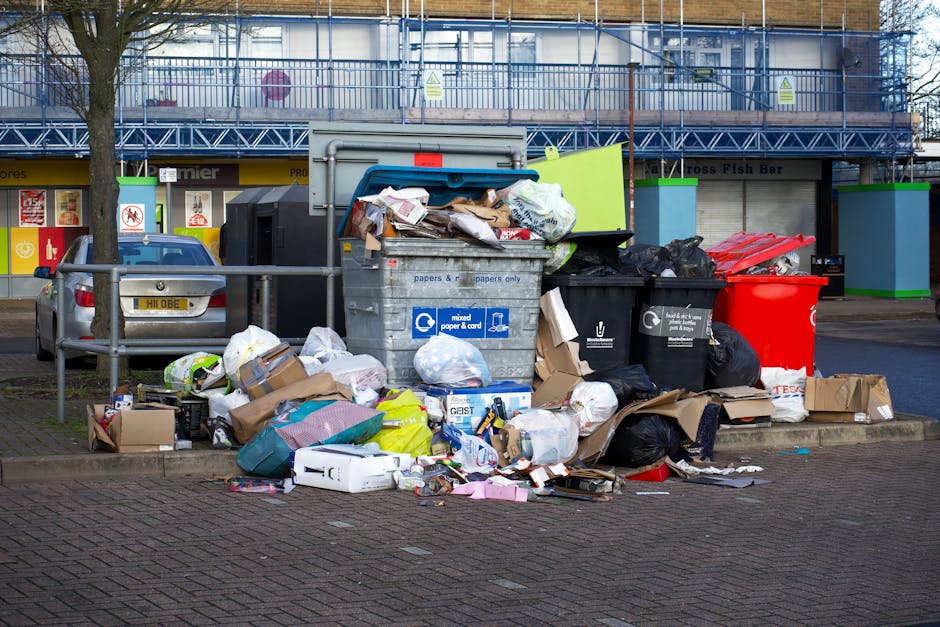
Shoreditch High Street is not the kind of place where waste can quietly drift into the background. Footfall is high, pavements are tight, deliveries are frequent, and many retail units are working in compact spaces with limited back-of-house storage. One overloaded bin can become a visible problem within minutes.
For retail businesses, rubbish collection is about more than tidiness. It affects how customers perceive the shop, how staff move through the space, and whether stock and packaging are stored safely. It also matters for neighbours. A shopfront that leaves sacks out too long, or lets cardboard blow around in the wind, can quickly annoy nearby businesses. And let's face it, in Shoreditch, people notice everything.
Good waste management supports trading in practical ways too. Cleaner loading areas make delivery handovers easier. Predictable collections reduce clutter in stock rooms. Better segregation of recyclable materials can cut down on the amount of general waste you are paying to remove. That is a real operational win, not just a nice idea.
If your retail unit is part of a wider commercial building, poor waste handling can also create friction with landlords or managing agents. In mixed-use streets like this, one store's loose bin bags can become everyone's problem. A tidy system helps your business look organised and, frankly, more professional.
There is also the brand side. A polished storefront is easy to spoil with overflowing waste or stacked packaging outside. Customers may not say anything, but they do notice. Sometimes the difference between "busy shop" and "messy shop" is just waste control. Small thing, big effect.
How Shoreditch High Street rubbish collection for retail businesses Works
Retail rubbish collection usually starts with understanding what kind of waste your business actually produces. A clothing shop, cafe-style retailer, cosmetics store, independent gift shop, and convenience retailer all generate different waste streams. Some produce mostly cardboard and soft plastic. Others produce mixed waste from product packing, damaged stock, display materials, or occasional bulky items.
In practice, collection can be arranged in a few ways. Some businesses use scheduled collections at agreed times. Others book ad hoc removals when they have a spike in waste after a delivery day, refit, sale event, or stock rotation. For many Shoreditch retailers, flexibility matters because trading patterns are rarely neat. You may have a calm Monday and then, out of nowhere, a mountain of packaging by Thursday.
The collector typically assesses access, load size, and waste type. That matters because the street environment around Shoreditch High Street can be busy, with vehicle access, loading windows, and pedestrian traffic all shaping the logistics. A well-planned collection should minimise disruption to customers and staff. In good operations, waste is moved quickly from storage to collection point, and the handover is efficient. No drama.
Where relevant, the service may also separate materials for recycling, arrange disposal for bulky retail items, or support one-off clearance after a refit. If your business is clearing shelves, replacing display furniture, or reworking the sales floor, you may need more than a standard bin empty. In those cases, broader services such as furniture disposal support or even a structured office clearance approach may be more useful than a simple bag collection.
One thing many retailers underestimate is timing. Waste collection is not just about removing rubbish. It is about removing it at the right moment so it does not sit in the way of customers, deliveries, or opening checks. If your team is constantly moving waste around to make space, the system is not really working.
Key Benefits and Practical Advantages
Retail waste collection delivers value in several ways, and the strongest benefit is usually operational simplicity. Once a reliable routine is in place, staff stop improvising. That sounds small, but anyone who has had to squeeze flattened boxes behind a till area knows how quickly waste can eat into usable space.
Here are the main advantages retail businesses tend to notice first:
- Cleaner customer-facing areas: better presentation, fewer visible sacks, and less clutter near entrances.
- Safer staff movement: fewer trip hazards, blocked walkways, and awkward storage piles.
- Better back-of-house organisation: packaging and rubbish are cleared before they become a storage problem.
- More predictable trading routines: staff spend less time dealing with overflow waste.
- Improved recycling performance: separable materials are easier to manage when the system is planned properly.
- Reduced neighbour complaints: especially important on shared streets and in mixed-use premises.
There is also a quieter benefit: peace of mind. Once waste collection is under control, managers can focus on stock, service, and sales rather than chasing bin capacity. That sounds obvious, but a messy waste system can drain attention every single day.
For businesses working on a narrow margin, waste control may even help reduce unnecessary disposal costs. Not by magic, obviously, but by cutting over-ordering of bins, reducing emergency call-outs, and keeping recyclable materials out of general waste where possible.
Retailers in Shoreditch sometimes also need a provider who can adapt quickly to seasonal peaks, product launches, or events. If your shop is near busy venues or event-heavy areas, the waste picture can change fast. For a broader view of local activity patterns, this Shoreditch event venues guide shows how the area's rhythm can affect nearby businesses.
Who This Is For and When It Makes Sense
This service is for any retail business that generates recurring waste and needs it removed without disrupting trading. That includes small independents, multi-site retail operators, pop-up shops, design-led stores, convenience retailers, lifestyle brands, and businesses with stock rooms that seem to shrink every week. You know the type.
It especially makes sense if your business:
- receives regular deliveries with a lot of cardboard or packaging;
- changes displays often and produces broken fixtures or packaging waste;
- stores rubbish in limited back-of-house space;
- operates on a busy street where kerbside clutter looks unprofessional;
- needs one-off clearance after a refit, seasonal change, or stock clean-out;
- shares waste space with other tenants and needs a more structured routine.
It also suits retail managers who would rather have a known process than constant improvisation. If staff are spending time deciding when to take the bins out, where to stack boxes, or whether to wait until tomorrow, the business probably needs a clearer collection setup.
There are times when a simple rubbish pickup is enough. There are other times when the job is broader. For instance, if you are stripping out displays or clearing old shelving, it may be closer to a builders waste disposal style job than a basic bag collection. Similarly, if your site has recently changed hands or is being emptied before a new fit-out, a more complete service can save a lot of back-and-forth.
Truth be told, many retail businesses do not realise how much waste they generate until they map it for a week or two. The first few days are often a surprise. Then the pattern becomes clear, and that is where the sensible decisions start.
Step-by-Step Guidance
Setting up retail rubbish collection does not need to be complicated. It just needs to be deliberate. A bit of structure goes a long way.
- Audit your waste for a normal trading week.
Look at cardboard, plastic, food-related waste if relevant, damaged stock, display packaging, and anything bulky. You do not need a scientific study; you just need a truthful picture. - Separate waste streams where possible.
Cardboard, general waste, and recyclable materials should not all be thrown together by default. Mixing them makes collection less efficient and can raise disposal costs. - Identify storage space.
Find out where waste will sit before collection. The best system in the world falls apart if staff have nowhere safe to keep bags or flattened boxes. - Choose collection timing around trading hours.
In retail, timing matters. Collections before opening, after closing, or during quieter delivery windows usually work best. - Set a staff routine.
Decide who breaks down boxes, who monitors bin fill levels, and who flags when a collection is needed. Keep it simple. If the process needs a long training manual, it is probably too fiddly. - Review access and loading points.
Make sure the collection route works on a real day, not just on paper. Think about pedestrians, delivery vehicles, and any restrictions in tight street conditions. - Adjust after the first few collections.
Small changes often make the biggest difference: a better collection day, a different storage point, or a more frequent pickup during busy periods.
A useful habit is to review waste levels at the end of each week, especially after promotions or seasonal trading. One busy weekend can create a rubbish pattern that looks nothing like the previous month. That is just retail, really.
If your business also handles old fixtures or bulky items, take a look at general waste collection options alongside more specific removal services. That way, you are not forcing one solution to do two different jobs.
Expert Tips for Better Results
The best retail waste systems are often the least flashy. They are the ones that work quietly in the background without people constantly talking about them. Here are a few things that tend to make the biggest difference.
Flatten cardboard properly. This seems obvious, but in practice people often half-break down boxes and leave them bulky. Flat cardboard is easier to store, easier to collect, and less likely to create a mess when the wind picks up.
Use the right container for the right material. When different waste types are mixed, collections become clumsier. Staff also get lazy about sorting if the setup is confusing. One bin for everything is usually the start of a problem, not the end.
Plan for peaks. Sale periods, deliveries, seasonal stock changes, and product launches can all spike waste. If you know a busy window is coming, plan extra collection capacity in advance. Much easier than scrambling later, honestly.
Keep waste away from customer sightlines. A pile of bags beside a display window is not subtle. Even if the waste is awaiting collection, it should be tucked away as neatly as possible.
Make one person accountable. Not necessarily responsible for lifting bags every day, but responsible for spotting when the system is drifting. Without ownership, these things quietly unravel.
We have seen plenty of retail spaces where waste handling is treated as a side task until something goes wrong. The best-run shops treat it like part of store operations, alongside stock control and opening checks. That shift in mindset is small, but it changes everything.
For businesses that care about waste reduction and responsible disposal, it is worth aligning collection habits with broader sustainability goals too. The recycling and sustainability approach can help frame waste as something to manage intelligently, not just get rid of.

Common Mistakes to Avoid
Most retail waste problems are not dramatic. They are repeated little oversights. The good news is that they are avoidable once you can see the pattern.
- Leaving collections until the bins are already overflowing. By then, the situation is harder to manage and usually more visible to customers.
- Assuming all waste is the same. Retail packaging, broken fittings, and general waste often need different handling.
- Ignoring access constraints. A collection plan that ignores street flow or loading restrictions is not much of a plan.
- Forgetting about storage hygiene. Even dry waste can create odours or attract mess if it is left in a warm, crowded space for too long.
- Not training staff properly. One new starter can accidentally undo a tidy system if nobody has shown them the basics.
- Trying to use one-off removal for everything. Sometimes this works. Often it becomes expensive and inconsistent.
Another easy mistake is overlooking bulky items. A broken chair, old display stand, or damaged shelving unit can sit around for days because everyone assumes "someone else" will sort it. Then it becomes part of the shop. Funny how that happens.
Retailers should also be careful about putting waste out too early. That can create street clutter, invite tampering, or simply make the frontage look untidy before the business even opens. In a busy area like Shoreditch High Street, timing is half the battle.
Tools, Resources and Recommendations
You do not need much to run a solid retail waste system, but a few basic tools help more than people expect.
- Clearly labelled bins or sacks: helps staff sort waste quickly without second-guessing.
- Box cutters and flattening tools: makes cardboard handling quicker and safer.
- Simple weekly waste log: useful for spotting peaks, waste-heavy days, and collection timing problems.
- Back-of-house storage plan: even a rough floor plan helps prevent waste from blocking useful space.
- Staff reminder notes: short signs near prep or stock areas can prevent the classic "I thought someone else was doing it" moment.
For businesses exploring wider operational support, it can also be useful to review the full range of available services before settling on a collection pattern. A clear services overview can help you compare what is appropriate for ordinary retail waste, what suits a clearance, and what may be better for a one-off bulky load.
If your business is cost-conscious, you will also want to look at pricing structure before committing. Predictable waste generation often suits a planned arrangement, while irregular waste can sometimes be better handled with ad hoc removals. The right choice depends on your actual pattern, not just the most convenient guess.
A practical recommendation? Spend one week observing waste before making decisions. Not forever. Just one week. It is amazing how much clearer the picture becomes once someone actually writes things down.
Law, Compliance, Standards and Best Practice
Retail businesses in London need to be sensible about waste handling. While the exact obligations depend on your waste type, tenancy, and trading setup, there are some broad best-practice principles every retailer should follow.
Keep waste secure. Rubbish should not be left where it can blow away, spill, or create a hazard. Loose waste outside can quickly become a public nuisance.
Segregate where practical. Sorting recyclable materials from general waste is not only cleaner; it is also a widely expected business practice. Even where a full separation system is not possible, basic sorting usually helps.
Use responsible waste handling arrangements. Retailers should make sure waste is transferred and removed in a controlled, legitimate way. Good providers will be transparent about what they collect and how the process works.
Protect staff and visitors. Waste storage areas should not block exits, create sharp edges, or obstruct movement. This matters even more in cramped high street units where there is not much room to spare.
Respect shared buildings and local surroundings. If your shop is part of a larger property, check any building-specific rules about storage points, collection times, or access. Small coordination issues can turn into big annoyances very quickly.
On the safety side, sensible waste handling also means watching for slips, trips, awkward lifting, and blocked walkways. If you are handling heavier or more awkward items, it is worth taking a careful approach to insurance and safety considerations as part of your planning. Nothing glamorous there, but it matters.
Where retail waste is linked to a refit or clearance, more structured management may be needed. That is especially true if old shelving, fixtures, or display units are coming out. In those cases, a retail team should treat the job as a planned operational task, not a quick afterthought.
Options, Methods, and Comparison Table
Retailers in Shoreditch usually choose between a few common waste removal approaches. The right one depends on volume, space, frequency, and how predictable your waste stream is.
| Method | Best for | Strengths | Limitations |
|---|---|---|---|
| Scheduled collection | Retailers with steady weekly waste | Predictable, easy to manage, less disruption | Can be less flexible during sudden peaks |
| Ad hoc collection | Irregular waste or occasional bulky items | Flexible, useful after busy trading days | Less consistent, may need more planning |
| Full clearance | Refits, closures, stockroom clean-outs | Removes large volumes in one visit | Not ideal for everyday waste |
| Mixed approach | Busy shops with varied waste patterns | Balanced, practical, adapts to demand | Needs clear coordination |
For many retail businesses, the mixed approach is the sweet spot. A steady routine handles the usual cardboard and general waste, while an occasional larger removal takes care of anything bulky or unusual. That keeps the everyday system tidy without overcomplicating things.
If you are comparing broader waste options, it can help to think in terms of business rhythm rather than service labels. A shop with constant deliveries and high turnover needs something different from a boutique that mainly needs periodic clear-outs. One size rarely fits all. It just doesn't.
Case Study or Real-World Example
Picture a fashion retailer on Shoreditch High Street during a busy seasonal changeover. New stock arrives in large boxes, old display materials need removing, and the stockroom is already tight. By Wednesday afternoon, the back area is crowded with flattened packaging, broken hangers, and a couple of bulky items that no one wants to keep moving around.
At first, staff try to manage it informally. A few boxes are left near the door "for later", and general waste bags are stacked beside the shelving. It works for a day or two, then the space starts to feel cramped. Deliveries become awkward. The team has to keep shifting things just to get access to the storage shelf. Not ideal.
After reviewing the pattern, the store changes to a structured approach: cardboard is flattened immediately, recyclable material is separated, and collection is booked for a quieter time after closing. The bulky items are grouped for one off removal rather than being dragged around for a week. The result is not dramatic, but it is noticeable. Staff move more easily, the shopfront looks cleaner, and the waste no longer steals space from trading.
The real lesson here is simple: retail waste becomes a problem when it is allowed to sit in the wrong place for too long. Once the collection process matches the business rhythm, things calm down quickly. That is usually the turning point.
We see a similar pattern in shops near busier local streets too. If you want a more shop-focused look at that kind of pressure, the Brick Lane shop rubbish guide is a useful local read.
Practical Checklist
Use this checklist before setting up or reviewing your retail rubbish collection process.
- Have you identified the main waste types your shop produces?
- Do staff know what should be flattened, sorted, or bagged separately?
- Is there enough storage space between collections?
- Are collection times matched to opening hours and delivery patterns?
- Have you checked access for collection without blocking customers?
- Are bulky items handled as a separate plan when needed?
- Do you have a simple weekly review of waste volume?
- Have you considered recycling opportunities rather than mixing everything together?
- Is the waste area kept tidy, secure, and out of sight where possible?
- Have staff been shown the process clearly, including new starters?
If you can tick most of those off, you are probably in good shape. If not, do not panic. Most retail waste systems improve quickly once someone takes a proper look at them.
Get a free quote today and see how much you can save.
Conclusion
Shoreditch High Street rubbish collection for retail businesses is really about keeping the business moving. It protects presentation, supports staff, reduces friction, and stops waste from taking over valuable space. In a fast, visible, high-footfall area, that matters more than people often admit.
The best approach is usually the one that fits your trading pattern: regular enough to stay under control, flexible enough for peaks, and simple enough for staff to follow without a fuss. Get that balance right and waste becomes one less thing to think about. Which, in retail, is a small victory but a genuine one.
And if your shop feels calmer, cleaner, and a bit easier to run at the end of the week, that is not a coincidence. That is good waste planning doing its job.
A tidy shopfront has a way of making everything else feel more manageable.
 Tipper Van - Waste Collection and Builders Junk Clearance Prices in Shoreditch, N1
 Luton Van - Waste Collection and Builders Junk Clearance Prices in Shoreditch, N1


